Laptop拉闊...電音馳騁
2006電幻物語...不可思議的香港電音演奏會
龔志成 (盒子) / Peter Gorton (Soler) / Mariko Ogawa
Alok feat. LWTV
Snoblind
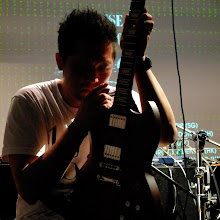
Sin:Ned
日期:2006年10月25日 (星期三)
時間:5:30 – 7:30pm
地點:九龍塘浸會大學舊校(近浸會醫院)邵逸夫大樓4樓學生休息室(RRS401) (恆生銀行旁)
免費入場
(本音樂會為浸大「人文素質教育」課程《音樂創意浪潮》課程之一部分)
Wednesday, October 18, 2006


Friday, September 01, 2006
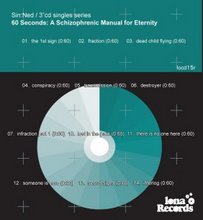
60 Seconds: A Schizophrenic Manual for Eternity
 第二張以Sin:Ned名義於Lona Records發表的3吋CDR,將會於九月七日推出:
Sin:Ned - 60 Seconds: A Schizophrenic Manual for Eternity
What shall we do with 60 seconds? If 60 seconds is all that is left, what shall we do with such short period of time? How significant can 60 seconds be? How do we value something? Do we count, simply by the length of its existence?
These are the questions underlying the original audio/visual internet project “60 Seconds” organized by Sleepatwork.
“60 Seconds: A Schizophrenic Manual for Eternity” consists of 18 audio works each in the length of 60 seconds, as inspired by the original “60 Seconds” project. It is an irrational rhetoric of extreme mood swing and boundaries crossing: from high-speed digital-hardcore-like mutation, ill-logical audio collage/cut-up, microsound-like tones/bleeps/crackles, defective audio deconstruction, pseudo-post-rock movement, and brutal harsh noise to melodic sonic expression. Re-visioning of our ideas (illusions) on ego, unity, reality and eternity through a gestalt of sonic polytheism.
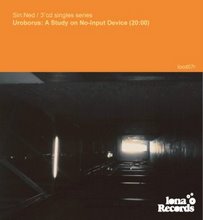
One may consider this as a philosophical quest not unlike “Uroborus: A Study on No-Input Device”. The only difference is that, this time, an extreme opposite path has been chosen.
Or simply, consider this as an illogical self-portrait, or a schizophrenic quest for ultimate reality. Assuming that, the difference between madman and artist is that, the former dives into the world of unconscious and seldom comes back, while the latter, is an expert traveler between the “mad” world and the “normal” world…
相對於“Uroborus: A Study on No-Input Device”那介乎微模主義及壞聲學的漫長探索,“60 Seconds: A Schizophrenic Manual for Eternity” 是出發自另一極端的概念實驗。 十八首形態極異偏離的六十秒作品,所組成的,是一個近乎精分裂的聲響世界。瘋狂的高速電子崩音、理念曲歪的聲像拼貼、微聲電學似的壞音殘響、崩壞的聲像解構、類後搖滾的展示形態、狂亂的狂暴噪音以至旋律化的短編小品。極端變化之間,所挑戰的,是我們有關於自我、統一性、現實及永恆的概念/假像。
啓發自由Sleepatwork所策動的網路計劃”60 Seconds”,“60 Seconds: A Schizophrenic Manual for Eternity”進一步以支離及多元焦點的思考狀態,繪畫出一幅扭曲、有關於追遂終極現實的精神病患自畫像。
如果精神病患及藝術家的分別在於,前者深入無意識界後不能自救,而後者,則是往返瘋狂與理性世界的犯險者…
Composition and instrumentation by Sin:Ned (http://www.maitreyana.com/)
Piano improvisation by Jennifer Lee (12 & 15)
Additional loops by the Tapegerm collective (05 & 06)
Track 14 contains sonic elements extracted from “Pentalog” by Sin:Ned + Chainsaw Riot
Original concept by Sleepatwork (http://www.sleepatwork.com/)
Cover art by Sleepatwork (http://www.sleepatwork.com/)
Tracklisting :
01. the 1st sign (0:60)
02. fraction (0:60)
03. dead child flying (0:60)
04. conspiracy (0:60)
05. transmission (0:60)
06. destroyer (0:60)
07. infraction part 1 (0:60)
08. infraction part 2 (0:60)
09. infraction part 3 (0:60)
10. lost in the park (0:60)
11. there is no one here (0:60)
12. someone is here (0:60)
13. secret signs (0:60)
14. interlog (0:60)
15. something is here (0:60)
16. maitreya’s shadow (0:60)
17. refraction (0:60)
18. treasure (0:60)
Sin:Ned reviewed by The Wire
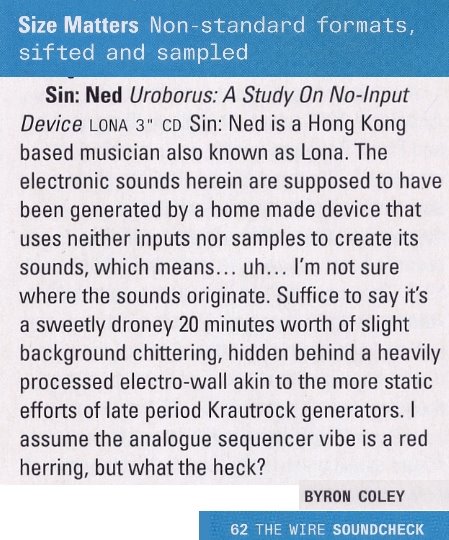 叫人意想不到的發現。於第271期的The Wire雜誌中,竟有一篇關於自己於Lona發表的3” CDR “Uroborus: A Study On No-Input Device”之短評。
有趣的是,名氣大如 The Wire的雜誌也會忙中有錯:
1. Sin:Ned不等於Lona。Lona是出版 “Uroborus: A Study On No-Input Device”的廠牌。
2. “Uroborus: A Study On No-Input Device”乃透過電腦及音樂軟件創作而成,並非自家製樂器。詳情可參閱 Lona Records 網頁。
不過能夠看見自己的作品在The Wire中被提及,無論如何也是一件可喜的事。
Tuesday, August 29, 2006
逃
從夢魘驚醒。看看枱鐘,凌晨二時許。
電話又在這樣的時間響來。迷惘失神的接聽。沉默無聲。
掛斷了電話,仍然想著剛才的夢魘。
黑夜裡,由旅遊巴士到荒廢小屋到高層大廈一直逃,外面滿是喪屍,只懂拿著外型如雨傘的長槍,不停向窗外狂亂掃射。但不論你如何努力,外面的喪屍群仍然是絲毫無損。活像一幕生化危機 (Biohazard)。
就是這樣的醒來了,再接聽一個沉默來電。
心想,我有何罪過,要落得如此田地,腹背受敵?
輾轉不安,呆了好一會。不知不覺間又再睡著了。
仍然是黑得有點謊誕的晚上。雨後的街道反照著街燈,沒有月光,一點聲音也沒有。全城在迷睡中。
站在行人路旁望去不遠處,警察廳就在前面不遠處。
不知為了甚麼,明知故犯地,就在路邊向柏油路來了一個小解。
就是這一刻,警察群從警察廳蜂湧而至。
逃不了吧。心想。
不,在夢中一切也有可能吧。不知哪裡得此頓悟。
就此一念,吸了一口氣,縱身一跳,跨向夜空,連環飛躍於摩天大厦群頂。魔幻得很漫畫式地。完成了一生人第一次的Lucid Dreaming。
醒來了,但還是逃不了。
另一個夢魘。
電話又在這樣的時間響來。迷惘失神的接聽。沉默無聲。
掛斷了電話,仍然想著剛才的夢魘。
黑夜裡,由旅遊巴士到荒廢小屋到高層大廈一直逃,外面滿是喪屍,只懂拿著外型如雨傘的長槍,不停向窗外狂亂掃射。但不論你如何努力,外面的喪屍群仍然是絲毫無損。活像一幕生化危機 (Biohazard)。
就是這樣的醒來了,再接聽一個沉默來電。
心想,我有何罪過,要落得如此田地,腹背受敵?
輾轉不安,呆了好一會。不知不覺間又再睡著了。
仍然是黑得有點謊誕的晚上。雨後的街道反照著街燈,沒有月光,一點聲音也沒有。全城在迷睡中。
站在行人路旁望去不遠處,警察廳就在前面不遠處。
不知為了甚麼,明知故犯地,就在路邊向柏油路來了一個小解。
就是這一刻,警察群從警察廳蜂湧而至。
逃不了吧。心想。
不,在夢中一切也有可能吧。不知哪裡得此頓悟。
就此一念,吸了一口氣,縱身一跳,跨向夜空,連環飛躍於摩天大厦群頂。魔幻得很漫畫式地。完成了一生人第一次的Lucid Dreaming。
醒來了,但還是逃不了。
另一個夢魘。
Saturday, August 26, 2006
來吧!發聲吧!
 眾聲平等。
眾聲平等。聲音不該有等級、好壞之分。
每種聲音,都該被尊重,作為生存、世界、宇宙的一部份。
我們應該尊重聲音本身。因為聲音本身沒有高低好壞。那都只是我們一廂情願的概念。
我們該聆聽聲音,從聲音的角度。就是那麼純粹的一回事。沒有其他。
不為驗証我們的價值觀。也不為,體現成文的音樂概念。不該有甚麼必然的理念。因為這些,都是聲音世界以外的東西。
聲音就是一種存在。每種存在,都該是漂亮的,是不?
忠於自我地。
發聲。
眾聲喧嘩。
那是最美的聲音。
只可惜,我們都慣了單一的發聲方式。單一的,聆聽方式。
我們,這個彈丸之地,擁有太少不同的聲音。
我們有很多音樂,卻只有很少聲音。
願意真正聆聽聲音,而不是把聲音當作權力角力工具的,少之又少。
我們都慣了,將聲音,對待以消費品的價值觀。
我們從沒有對待聲音,以純粹聲音的角度。
當有一天,當我們聽到眾聲喧嘩,那該是,我們邁向眾聲平等的時侯。
然而光是等待,我們並不會看到這一天的來臨。
行動。發聲與聆聽。
這是我們的職責。也是我們改變世界的唯一方法。
不管那是最吵耳的嘶喊,還是發自真心的寂靜。
那都將會是最動聽的聲音。
(written for YMCA Band Show 25.08.2006)
Friday, August 25, 2006
哀悼文化
很久沒有為MCB Online下稿。一口氣,卻發三篇短評。
三篇都是關於中國樂手的。
FM3+竇唯的「后觀音」
鐵觀音的「殺不死的牛」
王長存的「攔愁山」
寫完了,有點悲哀,想起香港的音樂文化。
很明顯,我們已經被中國內地超越了。至少,在香港,我們沒有像FM3、鐵觀音甚至是王長存這樣成熟及叫人振奮的前線聲音。
我們僅僅有的,仍然是獨沽一味的搖滾樂。搖滾樂本身沒有問題。問題只在於我們再沒有其他。相比下,我們實在落伍得很。
我一直認為,前線音樂/前衛音樂/實驗音樂,在一個文化生態中,就如一個科研部門,雖然未必與日常生活直接地相關,但對於整個文化的前進步伐,卻有著重要的領航作用。要知道一個地方的文化進度,看看其前線藝術發展便一清二楚。
小時候人人都說香港是個文化沙漠。到現在,香港對我而言,仍然是個文化沙漠。
香港不是沒有好的前線音樂人,只是一直都不成氣候。
我們的文化正在倒退。何等悲哀。
大概自由與幸福,都不是適合藝術思考的環境。反而缺乏自由的狀態,才是有助藝術發聲的激素。
我們都成了在自由與幸福下長大的啞巴。
不懂發聲也不懂聽。
因此很珍惜我們仍有像Lona Records、Harbour Records、Alok、LWTV、Wilson Tsang、D:ve、DJ Dee、Fathmount這些敢於隻身犯險的前線音樂單元。
大概,當有一天我們感到痛,才會從已過去的自由與幸福中醒過來。
三篇都是關於中國樂手的。
FM3+竇唯的「后觀音」
鐵觀音的「殺不死的牛」
王長存的「攔愁山」
寫完了,有點悲哀,想起香港的音樂文化。
很明顯,我們已經被中國內地超越了。至少,在香港,我們沒有像FM3、鐵觀音甚至是王長存這樣成熟及叫人振奮的前線聲音。
我們僅僅有的,仍然是獨沽一味的搖滾樂。搖滾樂本身沒有問題。問題只在於我們再沒有其他。相比下,我們實在落伍得很。
我一直認為,前線音樂/前衛音樂/實驗音樂,在一個文化生態中,就如一個科研部門,雖然未必與日常生活直接地相關,但對於整個文化的前進步伐,卻有著重要的領航作用。要知道一個地方的文化進度,看看其前線藝術發展便一清二楚。
小時候人人都說香港是個文化沙漠。到現在,香港對我而言,仍然是個文化沙漠。
香港不是沒有好的前線音樂人,只是一直都不成氣候。
我們的文化正在倒退。何等悲哀。
大概自由與幸福,都不是適合藝術思考的環境。反而缺乏自由的狀態,才是有助藝術發聲的激素。
我們都成了在自由與幸福下長大的啞巴。
不懂發聲也不懂聽。
因此很珍惜我們仍有像Lona Records、Harbour Records、Alok、LWTV、Wilson Tsang、D:ve、DJ Dee、Fathmount這些敢於隻身犯險的前線音樂單元。
大概,當有一天我們感到痛,才會從已過去的自由與幸福中醒過來。
Monday, August 21, 2006
FM3+竇唯 - 后觀音
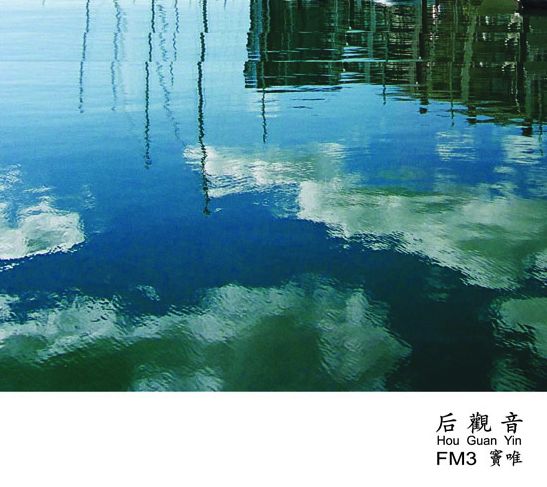 FM3這個植根北京,由Christiaan Virant及張薦組成的二人聲響藝術樂團,繼Buddha Machine之後,再次帶來另一神來之筆:后觀音。
仍然是充滿著破格和超越意味的概念轉化。單是演奏陣容,已足以叫人眼前一亮。FM3加上竇唯,絕對是個充滿破格性的合作。還有身兼詩人、樂評人、實驗演奏家及地下音樂推手的顏峻作聲音助興。而負責出版后觀音這張專輯的,又是由Alok (Slow Tech Riddim) 所策劃的香港實驗廠牌Lona Records。這一切,都叫人對FM3+竇唯這張新專輯萬分期待。
與我們所見慣的近年那些已變成陳腔濫調及膚淺的所謂”Crossover”不同,后觀音是一次極深層的多向性融合。
音樂上,它不著痕跡地,化合著FM3的實驗性環境聲像及竇唯的搖滾樂根源,造出一個相互引發及補充的演奏狀態。FM3的聲像如流質物滲透著竇唯的敲擊,誘發出其潛聚待發的環境音樂及後搖滾似的特質。同時間,竇唯那恰到好處的節奏元素,又將FM3聲像中的抽像動態,含蓄地彰顯成形。
再深一層地聆聽,你又會發覺,FM3及竇唯彷彿是在以西方實驗音樂的演奏模式,去理解及感悟東方哲學思想的抽像概念。疏落的聲響,彷彿水墨畫技法般畫黑留白。重要的,不在於發聲的部份,而在於發聲與發聲之間,於空白位置所遺下的氛圍餘音所造就的冥想空間。憩靜而平和得近乎禪的意味。甚至乎是一種近乎無為的演奏狀態。同樣地畫黑留白,全張專輯十一首作品,只有第二、五、九及十一首分別命名「烏」、「無」、「吾」、「悟」,其餘曲目都只是留著空白。從「烏」(黑->色) 到「無」(白->空) 再到「吾」(自我) 及最後「悟」(頓悟) 的過程,透過的,是對於虛空的參悟冥想。這不是很富東方哲學色彩的佈局嗎?
重實驗感而又不乏可聽性,概念化之餘又不流於理論化。一切,都能從聲響的角度以聆聽的方式細意體會及感悟。一種完完全全道地中國的實驗音樂。
FM3 Web Site
Lona Records Web Site
(原文見MCB Online)
Sunday, May 28, 2006
東京壞音學黑馬 - Analogic
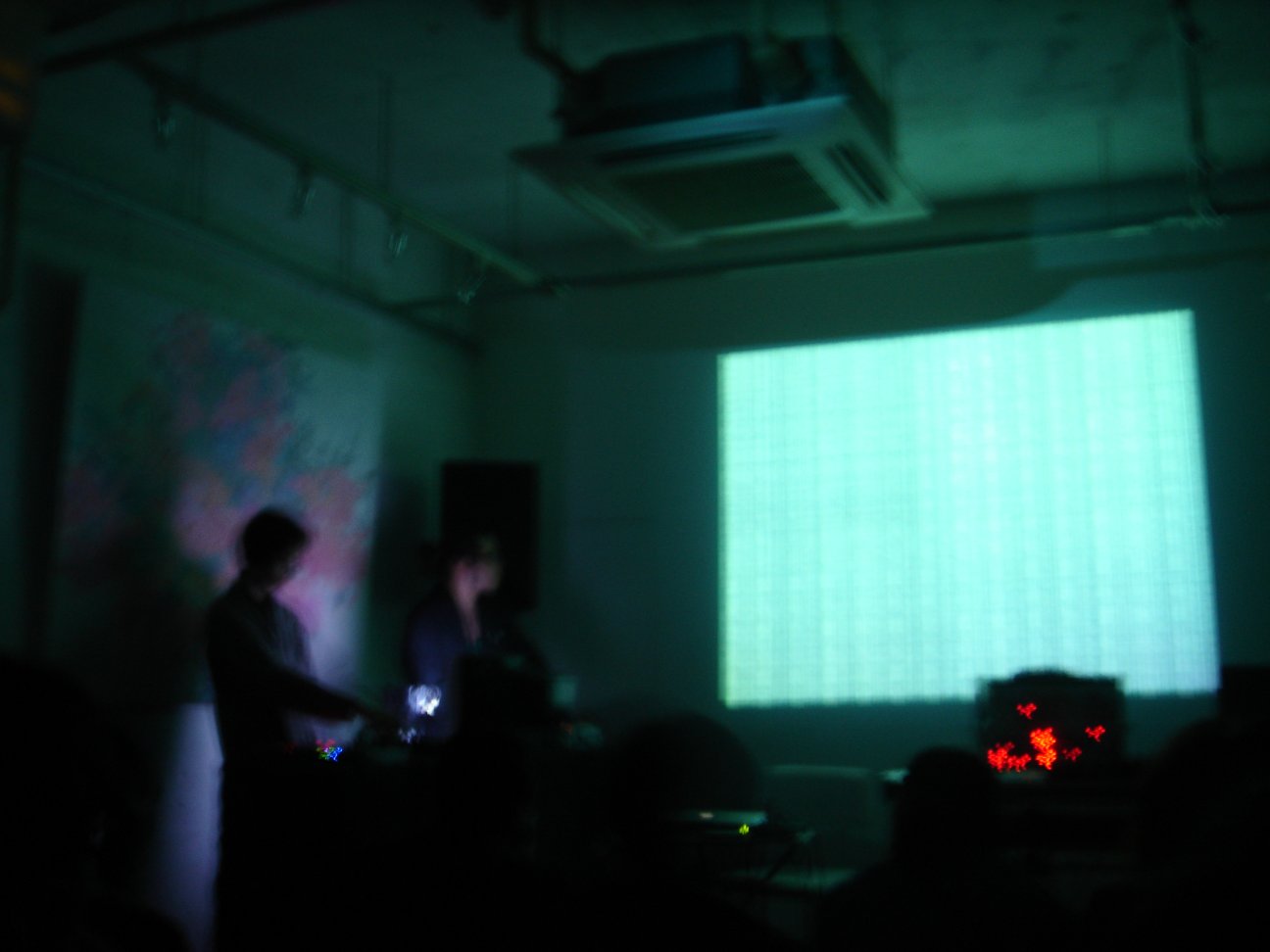
看著Analogic的自主制作DVD-R,電視「雪花」與壞音扭動,歪曲地傳繹出一種古怪的節奏律法。又想起四月二十二號晚Analogic於日本東京Sendagaya,Loop-Line三周年紀念之演出。還記得同行的JL問,那不是像看著一部壞電視的「雪花」嗎?的確是這樣。但這些電視「雪花」也確實是叫人看得很耐人尋味。
正確一點地形容,我們其實像從一個精神分裂病患眼中,從接受不良的電視畫面及壞音訊號中解讀著外星人的秘密信息。雖然同有更具名氣的Carl Stone及坪口昌恭 (Tokyo Tribe),但Analogic的壞音學派手法實在來得更富創意。沒有電腦及正規樂器,只有一部電視及攝錄機的視像迴路,和混音器及效果器材,發放出訊號雜音與電視畫面的同步相舞動,效果十分不可思議。
有興趣的話,不妨到Analogic或Loop-Line的網頁走一趟。
Analogic Web Site
Loop-Line Web Site
Tuesday, May 23, 2006
From 60 Seconds to Eternity

What shall we do with 60 seconds? If 60 seconds is all that is left, what shall we do with such short period of time? How significant can 60 seconds be?
How do we value something? Do we count, simply by the length of its existence?
We are so used to the model of expansion that, we lost sight of the small things in our life. Such as, 60 seconds of our life.
We are shaped by time, bounded by time, and we are running against time. Faster and faster…we never stop the race with time. Faster machines to shorten the time of travel, stronger chemicals to combat the trace of time on our body, and more advanced technology to get the job done in split second.
And during the race, we lost touch with the beauty of such small things in our life, as 60 seconds.
We call a good piece of song “evergreen”, a magnificent work of art “timeless”. Even our use of language reveals our obsession with eternity, that which we think, can resist the erosion of time. The non-existence of time. Someone from the east calls this nirvana. Or what Plato called, the world of Idea.
If only we can turn back time, to extend time to its infinity…if only we can get out of “time”.
But we are racing with ourselves, since we are the one who created time.
How do we know “we are”? “I think therefore I am”. That was the answer from Descartes. May be Descartes was right, but what is this process that we call thinking?
Thinking is creating. God created the world by words, and we create the world through thinking. According to the Buddhists belief, all things physical is simply the creation of our mental activity. Our understanding of the world, and our belief in the concrete existence of our “self”, all these are simply our own creation.
With time, we are able to confirm the concrete existence of our “self”. Time is the invisible string that links up the broken pieces.
We can never step into the same river twice. Claimed by the Buddhists. But why? That’s because the river we step into now, is not exactly the same river we just stepped into a moment ago. What we call the river is a just a series of moments linked together by time. It is simply a constant flux of changes. It is our sense of time that creates the illustration of that thing known to us as reality.
It is that moment, or even the moments in between moments that we have missed.
Our understanding of our “self” could be the same. We think we are, but we failed to see that we are nothing more than slices of moment linked together by time. Through time, we are.
It is not very different from Hume’s observation. If cause and effect, as he believed, is only a habit of us seeing events followed one by another, our conception of our “self” could also be another habit of ours.
We are so used to it that we lost our sensibility to the essence of life, such as those small insignificant things.
We are created by time and we are limited by time.
I guess you have already noticed that we are going in circle here. Yes, we are trapped.
In theory, if we disrupt the working of time, we will be able to free ourselves from our rigid concept of our “self”, of our “reality”.
Eternity is not just an extension of time.
We are not going to free ourselves from time, just by extending the deadline.
No one knows this better than artists, as artists are the alchemists of time.
And creation is the key.
We cut time up and we re-arrange time. We challenge the ways we look at time, and through such restructuring of time, we re-create the world. Musician works magic by turning split second of sound into a universe, while transcending a whole world through a short piece of sound. Visual artist do the same with visual elements.
The medieval alchemist works with the mind through transmutation of metals, and modern artists, through transmutation of time.
We capture the essence of life by capturing small slices of time. We turn a small slice of time, into the light of eternity, the same way we created time.
Or shall we say, we are also shaman of post-modern time, saving lost souls from the underworld. We are set to rediscover our souls, by revitalizing our consciousness of those lost moments.
One day, when we come to the end of our time, and if we say to ourselves: “I am proud not because I have lived this long, nor because I have gone this far. It is simply because I have fully lived every single moment of my life, and I have seen the beauty of eternity in those fleeting moments ” By then, we are enlightened.
So here we are, with our fleeting moments, waiting to be enlightened.
(Introductory text originally written for the internet audio/visual project "60 Seconds" organized by Sleepatwork)
Wednesday, April 26, 2006
從音樂發現世界
 音樂,有著無比的感染力。因為音樂,就是來自生活本身。
特別是現場音樂會,那種強大的感染力,每每最能叫人於現實的迷睡中清醒。
記得多年前觀看Collected Monsters (一個由多個不同本地樂隊單元組成的合作社式共同體) 的一個音樂會,當其時自己原本精神狀態久佳,對生活及身邊事物都感到枯乾麻木,但他們從演奏中所燃燒出的生命力,一剎那間令我重新感受到迷失了的、關於生活的衝動與觸覺。
還有很多多不勝數的例子。
透過音樂那種獨特而深刻的感染力,我們重新發現(創造)世界(別人)及自己。
如果現實生活本身是一個趨向腐朽的過程的話 (就正如生命趨向死亡?),音樂就是我們的煉金術,讓我們從廢墟中提煉出永恆的哲人之石,為我們從本來無意義的現實生活中衝創出意義。
成長與生活的過程中,我們學會了太多對真正「自我」成長無補於事,甚至是背道而馳的習慣規條。所謂「正常」的種種生活要求,各種社會認可的生態法則,如一層層日積月累的枯乾的外殼,包裹著我們。最終,我們面對鏡子時,見到的,只是一個陌生的存在形體。我們再不知道自己是誰。
音樂讓我們重新發現(創造)自己。
音樂也讓我們重新發現(創造)世界。
因為音樂,也是我們的革命及反動工具,去改變世界。Alec Empire及Asian Dub Foundation等的行動派音樂正是好例子。他們以行動,籍著音樂的感染力去碎毀腐朽的制度,去重新創造有血有肉的世界。
音樂是一種行動,一種文化改造工程。
從被動的生活轉向主動的衝創。
就如DJ Spooky的Illbient樂派,將身邊的生活聲響及集體回憶聲像,分解重組又再整合,試圖藉此將都市文化基因解構並重新編碼。當中更重要的是,我們由原本的被動及單向接收角色,透過發聲,反客為主。
對於發聲者如是,對於聆聽者亦如是。
我認為,聆聽與發聲均是同樣重要的創造(創作)過程。沒有被聆聽的發聲是不完整,未完成的創作;被動的單向接收,只是殘缺不全的聆聽過程。一件音樂作品,只有在聆聽者的主動聆聽 (Active Listening)下,方才算真正完成其藝術使命。在這個過程中,聆聽者及發聲人都同時為自己及別人創造著意義。
我以為,這種連系著發聲者>世界>聆聽者的連鎖迴路關系,比一切藝術技巧種種概念也更重要。
發聲是一種藝術。聆聽更是一種藝術。
(written for 港青『當我們還可以珍惜時』音樂會 21.04.06)
Subscribe to:
Posts (Atom)

 Posts
Posts